

Selling a home comes with plenty of moving parts, and knowing the property’s condition can make the process easier to manage.
A pre-listing inspection gives the seller a chance to learn about visible issues before putting the home on the market.
But how is it different from the inspection a buyer may order? Let’s break it down.
What Is a Pre-Listing Inspection?
A pre-listing inspection is a property inspection arranged by the seller before listing the home.
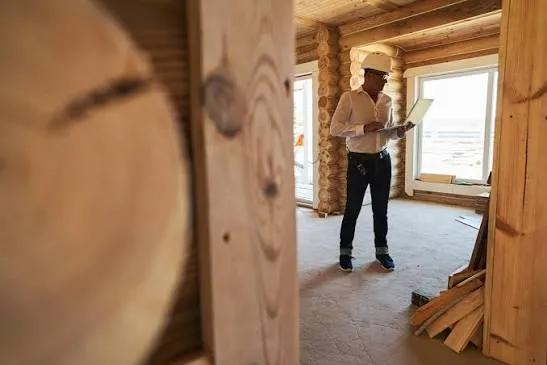
An inspector reviews accessible parts of the property and documents visible conditions.
The report can help the seller understand what may need attention before the property is shown to buyers.
Pre-Listing Inspection vs Buyer Inspection
Both inspections look at the condition of a property, but the timing is different.
A pre-listing inspection happens before the home is listed, while a buyer’s inspection usually happens after an offer or during the purchase process.
The person arranging the inspection also differs, so the reason for the inspection can be different too.
1. Finding Issues Early
A seller may not know about every issue in the home.
A pre-listing inspection can point out visible concerns before buyers start viewing the property.
This gives the seller time to decide whether repairs or further checks are needed.
2. Planning Repairs
Not every inspection finding needs to be fixed before a sale.
Some issues may be minor, while others may need attention from a qualified specialist.
Knowing about them early can help the seller plan what to do before listing.
3. Setting Expectations
A home inspection can provide useful information about the property’s current condition.
Sellers can use that information when planning the listing process and preparing for questions from potential buyers.
It doesn’t remove the buyer’s right to have their own inspection.
Why Sellers Consider Pre-Listing Inspections
A seller may choose a pre-listing inspection simply to avoid surprises later.
For example, an inspection could identify a visible plumbing issue, roof concern, or electrical problem.
Finding out about these issues before listing gives the seller more time to understand them.
It can also make the selling process easier to plan.
What Does the Inspector Check?
A home inspection may cover many accessible parts of a property.
Depending on the inspection, this can include the roof, foundation, walls, floors, plumbing, electrical systems, heating, cooling, and other major components.
The exact scope depends on the property and what can be safely accessed.
What About Hidden Problems?
A standard inspection is mainly a visual review of accessible areas.
Some problems may be hidden behind walls, underground, or inside systems that need specialized testing.
For example, a sewer scope can provide a closer look inside an accessible sewer line.
Radon testing can also be used when the seller wants information about radon levels in the property.
Pre-Listing Inspections in Brooklyn
If you’re planning to sell a property, pre-listing inspections in Brooklyn can give you useful information before the listing goes live.
The inspection may help you understand which areas need attention and which parts of the home appear to be in normal condition.
It’s not a guarantee that every issue will be found, but it can provide a clearer picture of visible conditions.
Should Sellers Repair Everything?
Not always.
A seller may choose to fix some issues and leave others as they are.
The right choice can depend on the cost, type of issue, market plans, and advice from qualified professionals.
The inspection report provides information, but the seller still decides what to do with that information.
What Should Sellers Ask an Inspector?
Before booking a pre-listing inspection, ask a few simple questions.
You can ask:
What areas are included?
What systems will be checked?
Are the roof and foundation reviewed?
Are plumbing and electrical systems inspected?
Are specialized inspections available?
Is sewer scope testing offered?
Is radon testing available?
When will the report be ready?
Are there areas the inspector can’t access?
Clear answers can help you understand the inspection before it begins.
How to Prepare for the Inspection
A little preparation can make the inspection easier.
Make sure the inspector can reach accessible areas that need to be checked.
Move boxes, furniture, or personal items that block important areas where possible.
If you already know about a leak, crack, or other concern, mention it to the inspector.
What Happens After the Inspection?
Once the inspection is complete, review the report carefully.
Some findings may need no action, while others may need repairs or further review.
If the report mentions a specialist, such as an electrician, plumber, or structural professional, consider getting the issue checked before making a decision.
Business Information
Prestige Inspections USA provides professional home inspection services backed by 15 years of industry experience. The company serves buyers, sellers, and homeowners and also provides sewer scope inspections and radon testing. Inspections include detailed reporting and modern inspection technology.
Final Thoughts
A pre-listing inspection gives sellers information before the home goes on the market.
It can help uncover visible issues, support repair planning, and reduce the chance of discovering certain problems later in the selling process.
If you’re considering pre-listing inspections in Brooklyn, focus on what the inspection covers and use the report as a guide when planning your next steps.