Fire Remediation in Brooklyn
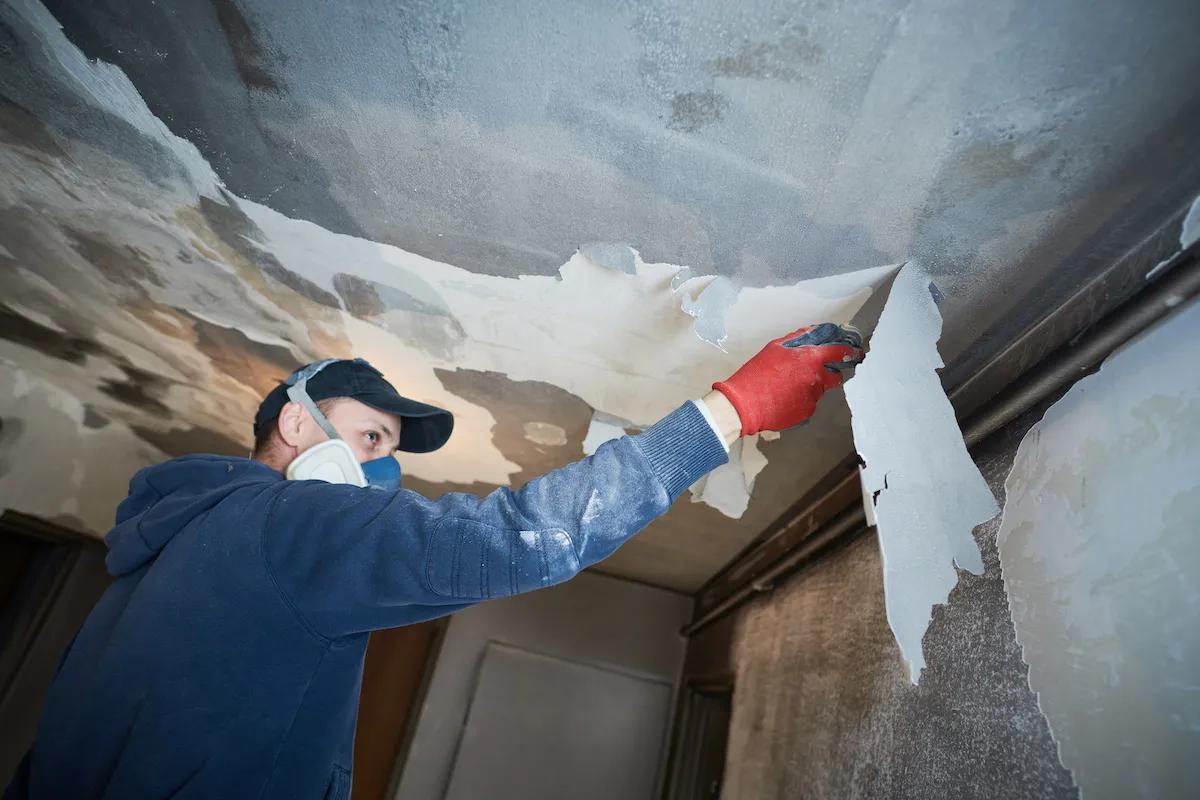
Fire damage can leave behind more than burnt walls and furniture. Smoke, soot, heat, and water used during firefighting can affect many parts of a property.
If you’re dealing with fire damage, you may wonder whether to clean it yourself or call a professional. The right choice depends on the damage, safety risks, and what needs to be restored.
What Does Fire Remediation Involve?
Fire remediation is the process of cleaning and restoring a property after a fire. It can include removing soot, smoke residue, damaged materials, and lingering odours.
Water and moisture can also be part of the problem. Firefighters may use large amounts of water, which can leave walls, floors, and other areas damp.
A proper cleanup looks at the whole property, not just the areas that look burnt.
Professional Fire Remediation vs DIY Cleanup
DIY cleaning may seem simple when the damage is small. You might wipe surfaces, remove loose items, and clean areas that look dirty.
But fire damage can be hidden behind walls, under flooring, or inside vents. Smoke residue can also spread well beyond the room where the fire started.
Professional remediation uses the right tools and cleaning methods for different types of damage.
1. Checking Hidden Damage
A fire can affect areas that aren’t easy to see.
Smoke may travel through air vents and small gaps, while heat can damage materials without leaving obvious marks.
A professional inspection can help identify areas that need further attention.
2. Removing Smoke and Soot
Soot can settle on walls, ceilings, furniture, and other surfaces.
Simply wiping it away may not always be enough, and the wrong cleaning method could spread the residue.
The surface and type of residue should be considered before cleaning starts.
3. Dealing With Smoke Odours
Smoke can leave a strong smell behind, and it may remain after visible soot has been cleaned.
Odours can settle into carpets, upholstery, curtains, wood, and other materials.
The cleaning method should match the material and the level of smoke exposure.
4. Handling Water Damage
Fire damage and water damage can often happen together.
Wet carpets, walls, flooring, and furniture may need quick attention to limit further problems.
Drying should be handled carefully, and affected materials may need to be removed or treated.
When Can DIY Cleaning Make Sense?
DIY cleaning may be suitable for very small areas where there’s no serious structural, electrical, or moisture damage.
For example, you may be able to clean a washable item that has light smoke residue.
However, you shouldn’t take risks with damaged wiring, unstable walls, heavy soot, or areas affected by significant water.
If you’re unsure about the condition of the property, it’s safer to have it checked.
Why Fire Remediation May Need Professional Equipment
Fire cleanup can involve more than normal household cleaning.
Professionals may use specialised equipment for soot removal, moisture extraction, drying, odour treatment, and cleaning affected materials.
Different surfaces also need different care. What works on a hard floor may not be suitable for upholstery or a delicate rug.
That’s why the cleaning method should be based on the property and the type of damage.
Fire Remediation in Brooklyn: What Should You Check First?
If you need fire remediation in Brooklyn, start by looking at the full condition of the property.
Check for visible soot, smoke odours, wet areas, damaged materials, and signs of heat exposure.
Don’t rush to repaint walls or throw away furniture before the damage has been assessed. Some items may be cleaned or restored, while others may need replacement.
It’s also important to keep people and pets away from unsafe areas until they’ve been checked.
What About Carpets and Upholstery?
Carpets and upholstered furniture can absorb smoke and moisture.
Even when they don’t look badly damaged, they may hold odours or residue within the fibres.
Professional cleaning may help determine whether an item can be cleaned and restored or whether replacement is more practical.
The same applies to mattresses, curtains, and area rugs.
How Long Does Fire Cleanup Take?
There isn’t one fixed time for every fire cleanup job.
A small affected area may take less time than a property with widespread smoke, soot, and water damage.
The size of the property, materials affected, moisture levels, and extent of smoke damage can all change the timeline.
A proper assessment should come before giving a firm estimate.
How to Prepare Before Remediation
Avoid touching heavily soiled areas unless necessary, and don’t use random cleaning products on smoke or soot damage.
Keep the affected area clear where possible, and follow any safety instructions given by professionals.
If there’s standing water or visible structural damage, don’t enter an unsafe area just to start cleaning.
The goal is to avoid making the damage worse while the property is being assessed.
Business Information
Special Touch Carpet & Upholstery Cleaners has served Brooklyn and surrounding NYC boroughs since 2020. The company provides carpet, area rug, upholstery, pet stain and odour cleaning, as well as water damage restoration. Its team also handles different types of furniture, carpets, rugs, and mattresses.
Final Thoughts
Fire damage can affect a property in ways that aren’t always easy to spot.
DIY cleaning may work for limited surface issues, but larger problems involving smoke, soot, water, or damaged materials need more care.
If you’re looking into fire remediation in Brooklyn, compare the type of damage first and choose a cleaning approach that fits the property, materials, and safety needs.